 1-800-537-2296
 sales@versitron.com



Video to Fiber Installation Kits for CCTV Surveillance Systems

As surveillance and security infrastructures continue to evolve, so does the demand for technologies that support long-distance video transmission, reliable connectivity, and consistent image quality. Whether securing critical infrastructure, monitoring large campuses, or protecting high-risk environments, modern surveillance systems often require transmission capabilities that extend beyond the limitations of traditional coaxial cabling.
Video to fiber installation kits provide a solution by converting analog CCTV video signals into optical signals that travel over fiber optic cable. This allows video feeds to be transmitted over significantly greater distances while providing immunity to electromagnetic and radio-frequency interference.
VERSITRON video to fiber installation kits are available in multiple channel configurations and fiber types, with options for transmitting video, data, audio, and contact closure signals. These solutions are designed for surveillance installations that require dependable video transmission over fiber.
What Is a Video to Fiber Installation Kit?
A video to fiber installation kit is a complete transmission solution designed to convert analog CCTV video signals into optical signals for transport over fiber optic cable. A typical kit includes a video transmitter, a video receiver, power supplies, and fiber connectivity components.
Depending on the model and configuration, kits may also include fiber optic cable and support additional data, audio, or contact closure connections.
VERSITRON video to fiber installation kits support transmission distances of up to 30 kilometers with compatible singlemode fiber configurations. Multimode options are also available for shorter-distance installations.
Typical kit components include:
- Video Transmitter: Receives the analog video signal from the CCTV camera and converts it for optical transmission.
- Video Receiver: Converts the optical signal back into an analog video signal at the receiving location.
- Fiber Optic Cable: Kits may be configured with multimode or singlemode fiber. Certain installation kits include 100 meters of fiber cable; verify the contents of the specific kit.
- Power Supplies: Provide power to the transmitter and receiver units.
- Optional Data, Audio, and Contact Closure: Depending on the model, additional signals can be transmitted alongside video.
- ST Fiber Connectors: Provide fiber connections for compatible transmitter and receiver configurations.
Explore VERSITRON Video to Fiber Installation Kits
VERSITRON offers video-to-fiber solutions in multiple channel configurations, allowing customers to select equipment based on the number of cameras and the additional signals required.
The following products include both singlemode and multimode configurations.


How Do Video to Fiber Converters Work?
Video to fiber converters use a transmitter and receiver to convert analog video signals into optical signals and then back into their original electrical format.
The transmission process generally follows four steps:
- Signal Input: The analog video signal from a CCTV camera enters the video transmitter through a BNC connector using coaxial cable.
- Conversion to Optical Signal: The transmitter digitizes the analog video signal using 8-bit uncompressed video encoding and converts it into an optical signal.
- Fiber Transmission: The optical signal travels through singlemode or multimode fiber optic cable to the receiving location.
- Signal Output: The receiver converts the optical signal back into an analog video signal, allowing it to be displayed on a compatible monitor or connected to a video recorder.
Because the signal travels as light through fiber optic cable, the system is not susceptible to the electromagnetic interference commonly encountered with copper-based transmission.
Key Features of Video to Fiber Installation Kits
VERSITRON video to fiber installation kits offer several features designed to support professional CCTV and surveillance applications.
Digitally Encoded 8-Bit Video Transmission
The video transmission system uses 8-bit uncompressed digital encoding to preserve the original analog video information during transmission. This helps maintain consistent video quality between the transmitter and receiver.
NTSC, PAL, and SECAM Compatibility
Support for major analog video standards, including NTSC, PAL, and SECAM, allows compatible systems to integrate with surveillance equipment used in different regions.
Multimode and Singlemode Fiber Options
Installation kits are available for both multimode and singlemode fiber optic cable.
- Multimode Fiber: Suitable for shorter-distance installations, with distances of up to 2 kilometers depending on the equipment and fiber configuration.
- Singlemode Fiber: Designed for longer-distance transmission, with compatible configurations supporting distances of up to 30 kilometers.
Multiple Channel Configurations
VERSITRON offers video transmission solutions in multiple channel configurations, including 2, 4, 8, and 16 channels in the product lineup shown above. Other configurations may be available depending on the product series.
These options allow customers to select a system based on the number of camera feeds that need to be transmitted over fiber.
Integrated Data, Audio, and Contact Closure
Depending on the model, installation kits can support additional signals alongside video.
- Data: Supports compatible control signals, including PTZ camera control.
- Audio: Allows audio signals to be transmitted alongside video on supported configurations.
- Contact Closure (CC): Supports compatible alarm, sensor, and control applications.
Industrial-Grade Design and System Monitoring
VERSITRON video-to-fiber equipment is designed for professional installations, including demanding surveillance environments. LED indicators provide visual operating information to help technicians monitor system status and troubleshoot connections.
Rack-Mount and Hot-Swappable Options
Compatible transmitter and receiver equipment can be installed in the FVC18 rack-mount chassis. The chassis supports centralized equipment installation and hot-swappable configurations where supported by the specific equipment.
Choosing the Right Video to Fiber Installation Kit
Selecting the right installation kit involves considering the number of video channels, fiber type, transmission distance, additional signal requirements, and installation environment.
1. Determine the Number of Video Channels
The number of cameras or video signals that need to be transmitted will determine the appropriate channel configuration.
- 1-Channel Kits: Suitable for individual camera connections, gates, and smaller surveillance installations where a single video feed must be transmitted over fiber.
- 2-Channel Kits: Useful for small offices, entry points, and installations requiring two camera feeds.
- 4-Channel Kits: Appropriate for warehouses, campuses, and other facilities requiring several camera connections.
- 8-Channel Kits: Designed for multi-zone surveillance systems and larger monitoring installations.
- 16-Channel Kits: Suitable for enterprise facilities, large surveillance networks, and installations requiring centralized transmission of multiple camera feeds.
2. Select the Appropriate Fiber Type and Transmission Distance
Fiber type is an important consideration when designing a video transmission system.
Multimode Fiber (MM)
Multimode fiber is commonly used for shorter-distance installations. Compatible VERSITRON configurations support transmission distances of up to 2 kilometers.
Singlemode Fiber (SM)
Singlemode fiber is designed for longer-distance transmission and is suitable for applications requiring extended connectivity. Compatible configurations support distances of up to 30 kilometers.
Actual transmission distance depends on the specific transmitter and receiver, fiber type, and installation conditions.
3. Identify Additional Signal Requirements
Some surveillance installations require more than video transmission. Consider whether the system also needs:
- Video Only: For standard camera-to-monitor or camera-to-recorder connections.
- Data: For PTZ camera control and other compatible data communications.
- Audio: For transmitting microphone or other supported audio signals.
- Contact Closure: For integrating compatible alarms, sensors, and other control devices.
Selecting a kit with the required signal capabilities can reduce the need for separate transmission equipment.
4. Consider the Installation Environment
The physical installation environment also affects equipment selection.
- Indoor Installations: Standalone equipment or compatible rack-mount configurations may be appropriate for control rooms, equipment closets, and centralized surveillance facilities.
- Outdoor and Industrial Installations: Consider the required environmental protection and whether additional enclosures or ruggedized equipment are necessary.
Always verify the operating temperature, environmental ratings, and mounting requirements of the specific product.
5. Check Interface Compatibility
For systems requiring data transmission, verify that the equipment supports the appropriate interface.
Depending on the model and configuration, supported interfaces include:
- RS-232
- RS-422
- RS-485
Confirm the required interface and communication configuration before selecting a kit.
Advantages of Using Video Over Fiber for CCTV Systems
Fiber optic transmission offers several advantages over traditional copper-based video connections, particularly in installations requiring long distances or operation in electrically noisy environments.
Extended Transmission Distance
Fiber optic cable supports much longer transmission distances than conventional coaxial video cabling. Compatible VERSITRON singlemode configurations support distances of up to 30 kilometers, depending on the equipment and fiber specifications.
Immunity to Electromagnetic and Radio-Frequency Interference
Fiber optic cable transmits data using light rather than electrical signals. This makes it immune to electromagnetic interference (EMI) and radio-frequency interference (RFI) affecting the transmission medium.
This is especially beneficial in industrial facilities, transportation infrastructure, utility installations, and other environments with electrical equipment.
Consistent Video Quality
Digital optical transmission helps maintain the video signal over the supported transmission distance without the progressive signal degradation commonly associated with long copper cable runs.
Improved Electrical Isolation
Because fiber optic cable is nonconductive, it does not carry electrical current between the transmitter and receiver locations. This provides electrical isolation between connected equipment and helps avoid ground-potential differences along the fiber link.
Greater Physical Security
Fiber does not radiate electromagnetic signals in the same way as copper cabling, making passive interception more difficult. However, fiber links are not inherently tamper-proof and should still be protected through appropriate physical security measures.
Flexible System Expansion
Multiple channel configurations make it possible to select equipment based on current video requirements. Additional compatible equipment can be incorporated as a surveillance system expands. Integration with IP-based systems may require separate compatible encoders, network equipment, or other conversion devices.
Reduced Signal Loss Over Distance
Fiber optic transmission provides low attenuation over long distances compared with traditional copper cabling, helping maintain signal quality throughout the supported link.
Installation: Simple and Reliable Setup
A typical video-to-fiber installation involves connecting the camera to the transmitter, establishing the fiber link, and connecting the receiver to the destination equipment.
The general installation process is as follows:
- Connect the Camera: Use a BNC coaxial cable to connect the CCTV camera's video output to the transmitter.
- Install the Fiber Cable: Run the appropriate singlemode or multimode fiber optic cable between the transmitter and receiver locations.
- Connect the Receiver: Connect the fiber cable to the receiver and connect its video output to a compatible monitor, DVR, or other video equipment.
- Connect Optional Interfaces: Attach any required data, audio, or contact closure connections supported by the selected model.
- Apply Power: Connect the appropriate power supplies to the transmitter and receiver units.
- Verify Operation: Check the LED indicators and confirm that video and any additional signals are operating correctly.
Once the connections are completed and the equipment is powered, the system can transmit video over the fiber link without requiring a complicated network configuration.
Always follow the installation instructions and connector requirements for the specific transmitter and receiver.
Why Choose VERSITRON Video to Fiber Installation Kits?
With more than 60 years of experience in fiber optic communications and networking equipment, VERSITRON provides video transmission solutions for professional surveillance, security, and industrial applications.
VERSITRON video to fiber installation kits offer several advantages:
Lifetime Warranty
VERSITRON products are backed by a lifetime warranty, providing long-term confidence in the equipment.
U.S.-Based Technical Support
VERSITRON provides U.S.-based technical support to assist customers with product selection, installation questions, and system requirements.
Build-to-Spec Options
Depending on the application, custom configurations and interface options may be available, including RS-232, RS-422, and RS-485 support.
Rack-Mount and Standalone Configurations
Available equipment configurations provide flexibility for installations ranging from individual camera connections to centralized surveillance facilities.
Whether you are upgrading an existing CCTV system or designing a new fiber optic surveillance network, VERSITRON can help identify a video transmission solution suited to your application.
Frequently Asked Questions
What is a video to fiber installation kit?
A video to fiber installation kit is a transmitter-and-receiver solution that converts analog CCTV video signals into optical signals for transmission over fiber optic cable. The receiver converts the optical signal back into an analog video signal at the destination.
How far can CCTV video be transmitted over fiber?
Compatible VERSITRON singlemode configurations support transmission distances of up to 30 kilometers. Multimode configurations support shorter distances, up to approximately 2 kilometers, depending on the specific equipment and fiber type.
What is included in a video to fiber installation kit?
A typical kit includes a video transmitter, video receiver, power supplies, and the necessary fiber connections. Certain kits may also include 100 meters of multimode or singlemode fiber cable. Additional data, audio, and contact closure capabilities depend on the selected model.
What is the difference between singlemode and multimode fiber?
Singlemode fiber is designed for longer transmission distances and supports compatible VERSITRON configurations up to 30 kilometers. Multimode fiber is generally used for shorter links, with compatible configurations supporting up to approximately 2 kilometers.
Can a video to fiber converter transmit PTZ camera control signals?
Yes. Compatible models support data transmission for applications such as PTZ camera control. Depending on the equipment, supported data interfaces may include RS-232, RS-422, and RS-485.
Can audio and alarm signals be transmitted along with video?
Certain VERSITRON models support additional audio and contact closure signals alongside video. The specific capabilities depend on the selected transmitter and receiver configuration.
Are video to fiber installation kits compatible with existing analog CCTV cameras?
VERSITRON video-to-fiber systems are designed for compatible analog video signals. The equipment should be matched to the camera's video standard and the receiving equipment's requirements. Supported analog formats include NTSC, PAL, and SECAM.
Can video-to-fiber equipment be installed in a rack?
Compatible equipment can be installed in the VERSITRON FVC18 chassis, which provides a centralized rack-mount solution. Confirm chassis and module compatibility for the selected equipment.
Conclusion
Video to fiber installation kits provide an effective way to extend analog CCTV video transmission over long distances while maintaining reliable signal quality. By converting electrical video signals into optical signals, these systems overcome many of the distance and interference limitations associated with traditional coaxial cabling.
VERSITRON offers video-to-fiber solutions in multiple channel configurations, with singlemode and multimode options and additional data, audio, and contact closure capabilities on supported models.
From small surveillance installations to large campuses, industrial facilities, and critical infrastructure projects, VERSITRON video to fiber installation kits provide flexible fiber optic transmission solutions backed by a lifetime warranty and U.S.-based technical support.
Explore Our Products
-
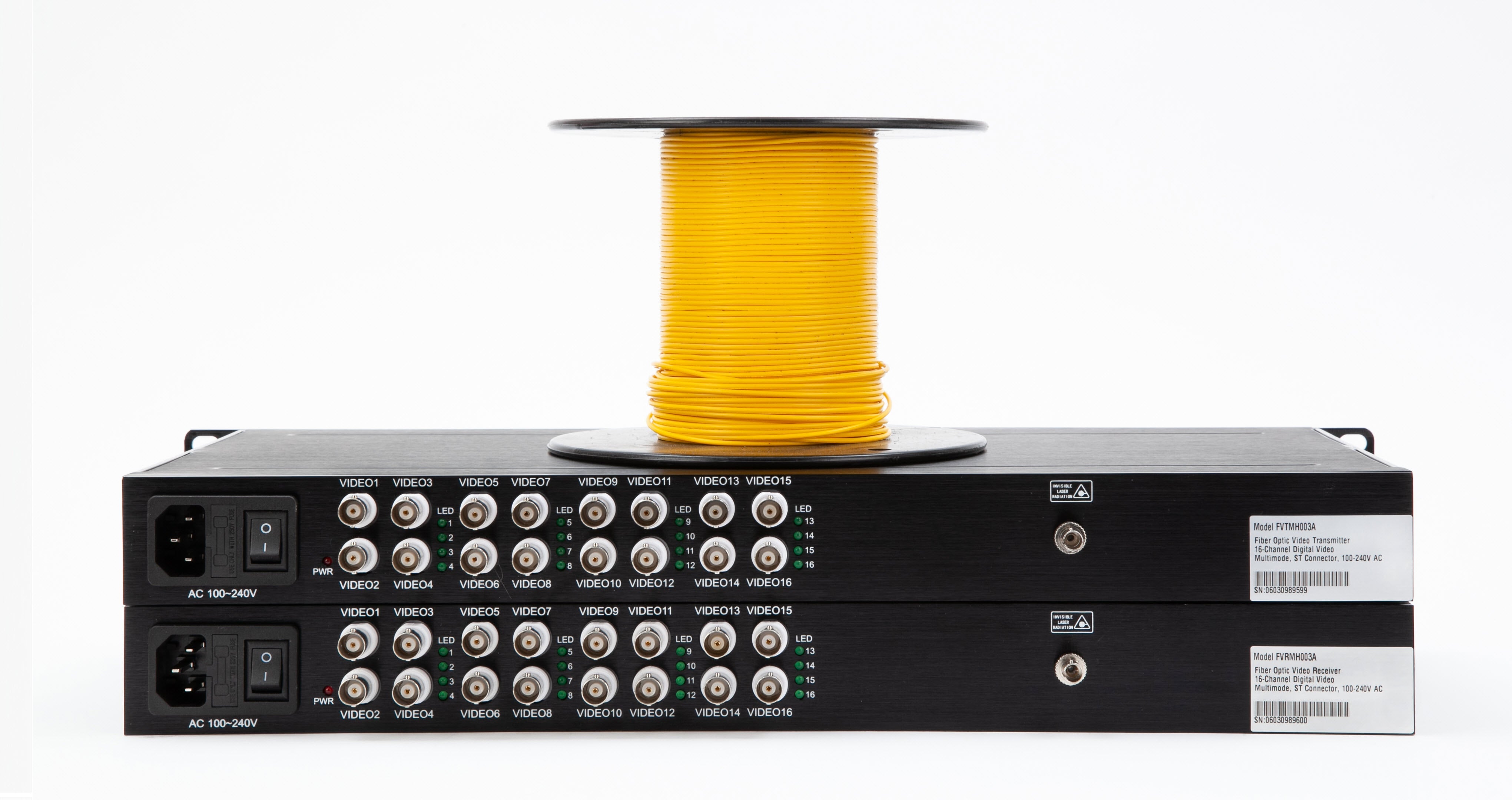
16-Channel Video Installation Kit | ST, SM
View Details -
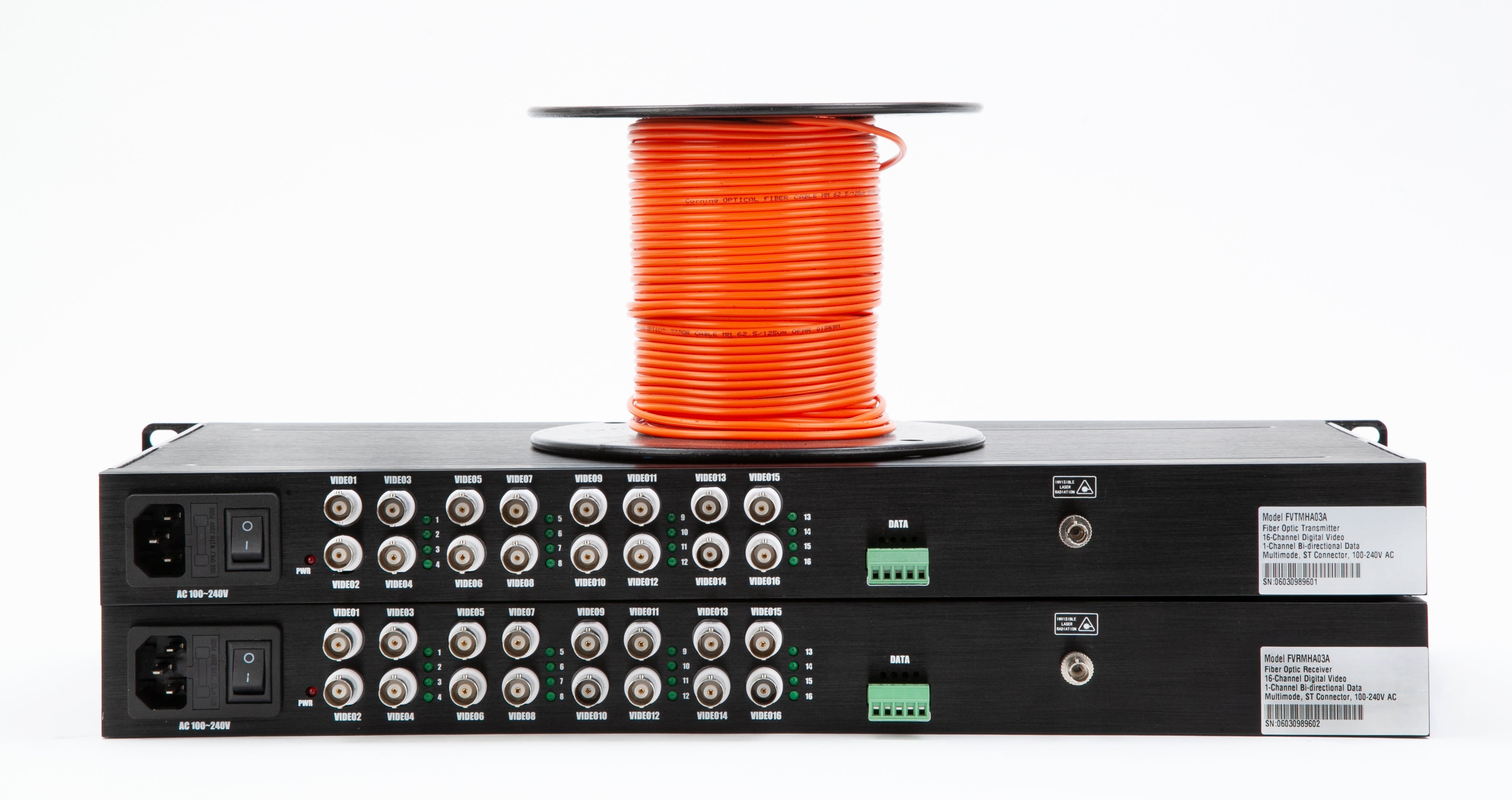
16-Channel Video Installation Kit | Data, ST, MM
View Details -
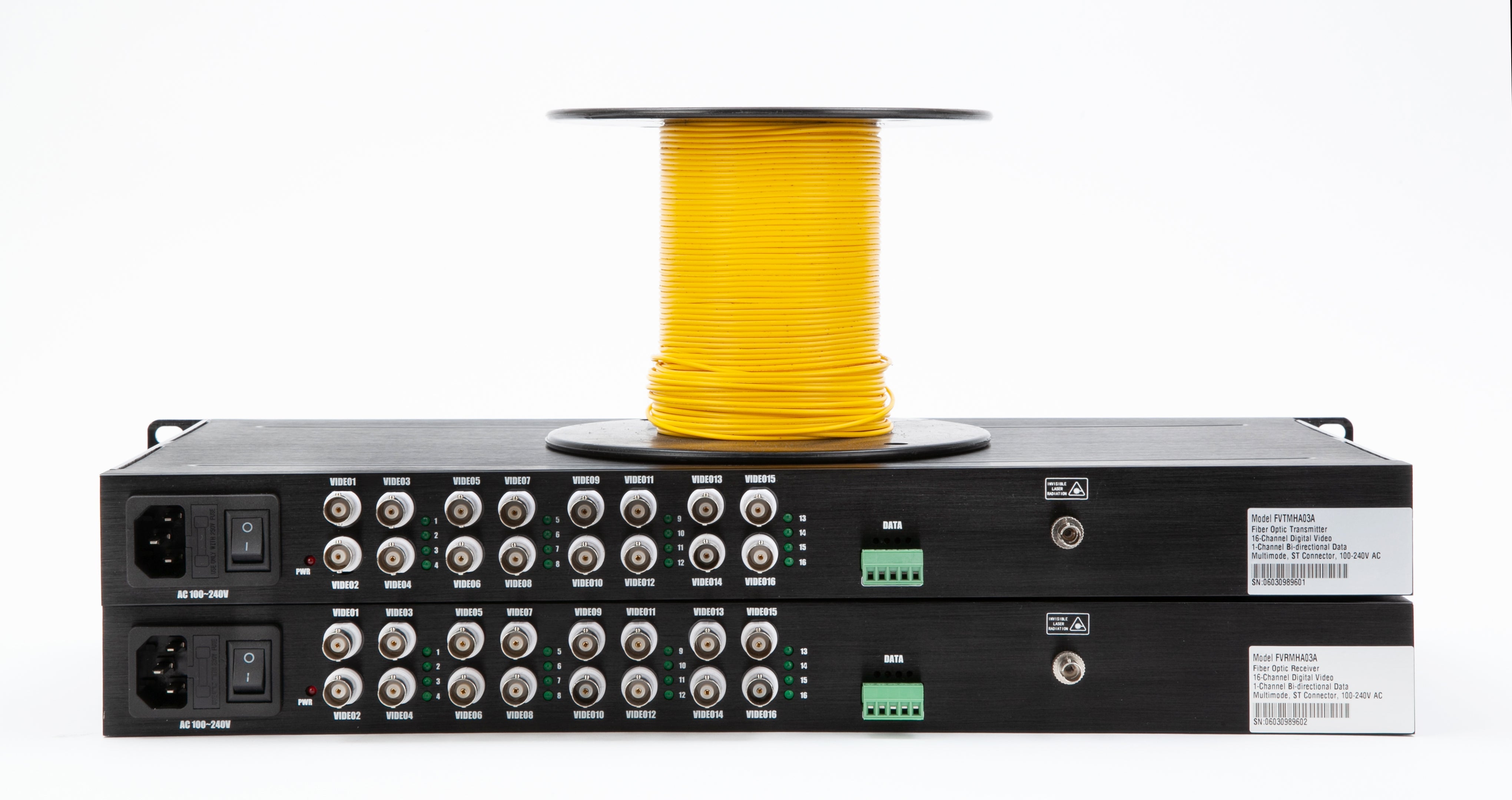
16-Channel Video Installation Kit | Data, ST, SM
View Details -
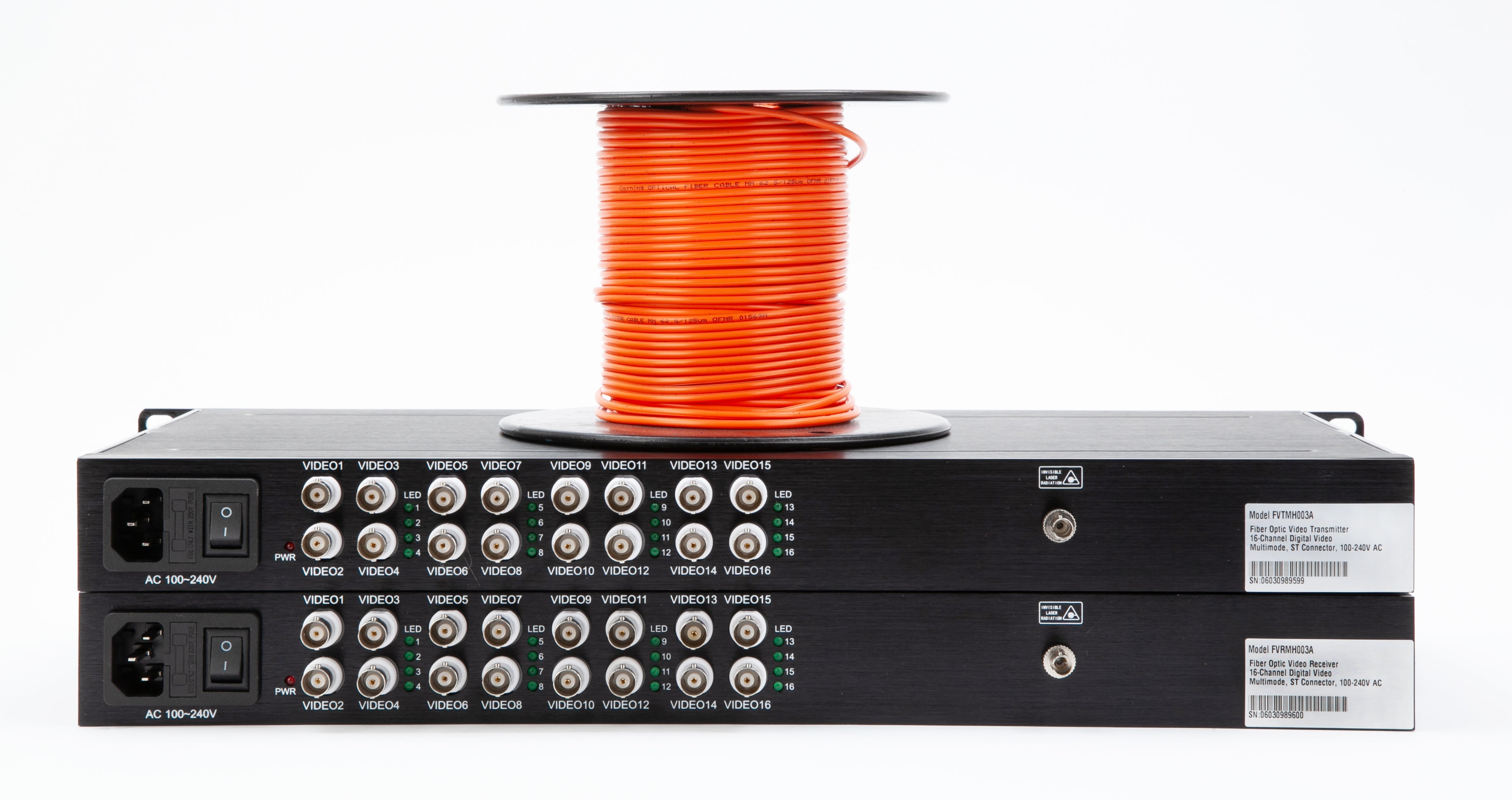
16-Channel Video Installation Kit | ST, MM
View Details -
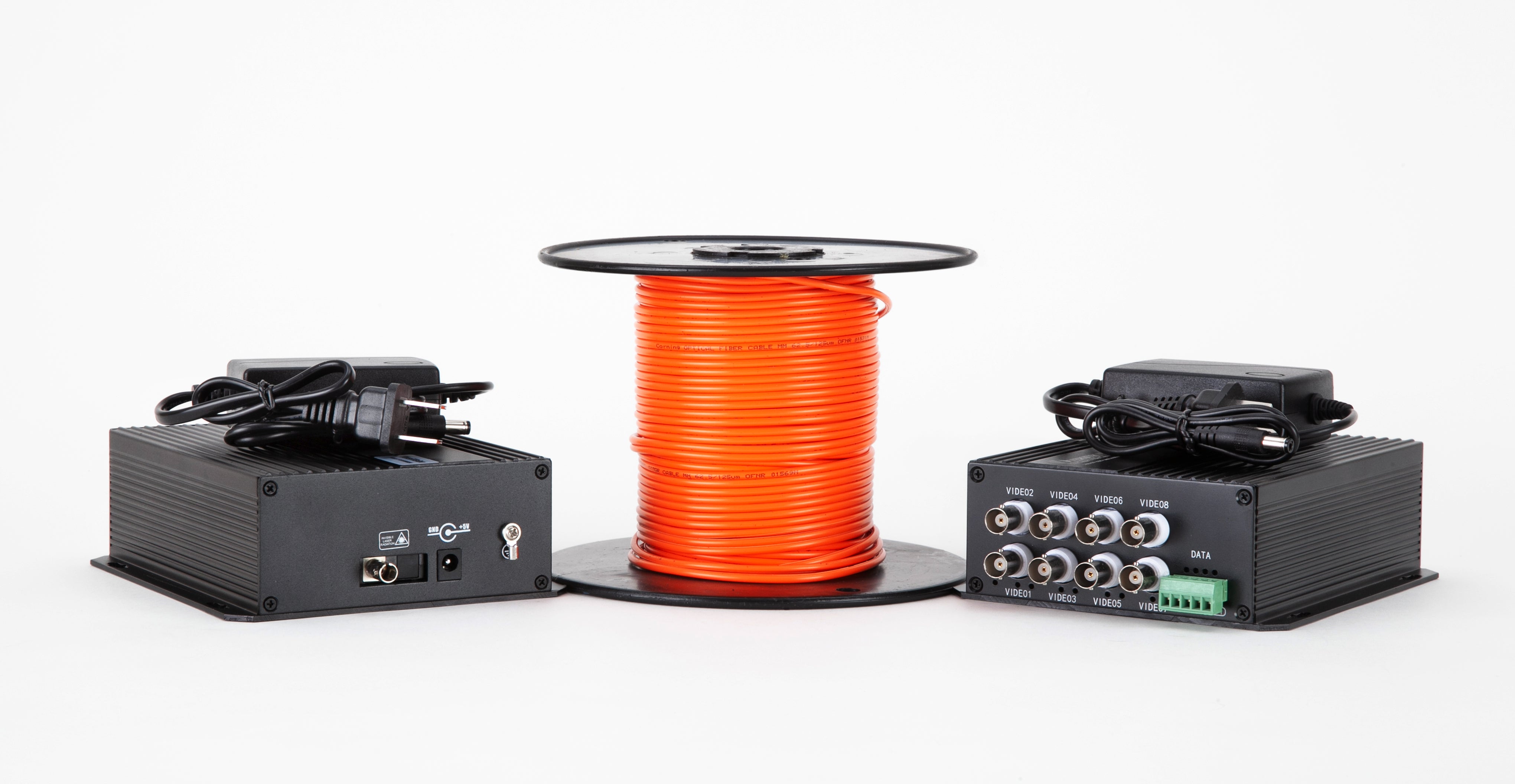
8-Channel Video Installation Kit | Data, ST, MM
View Details -
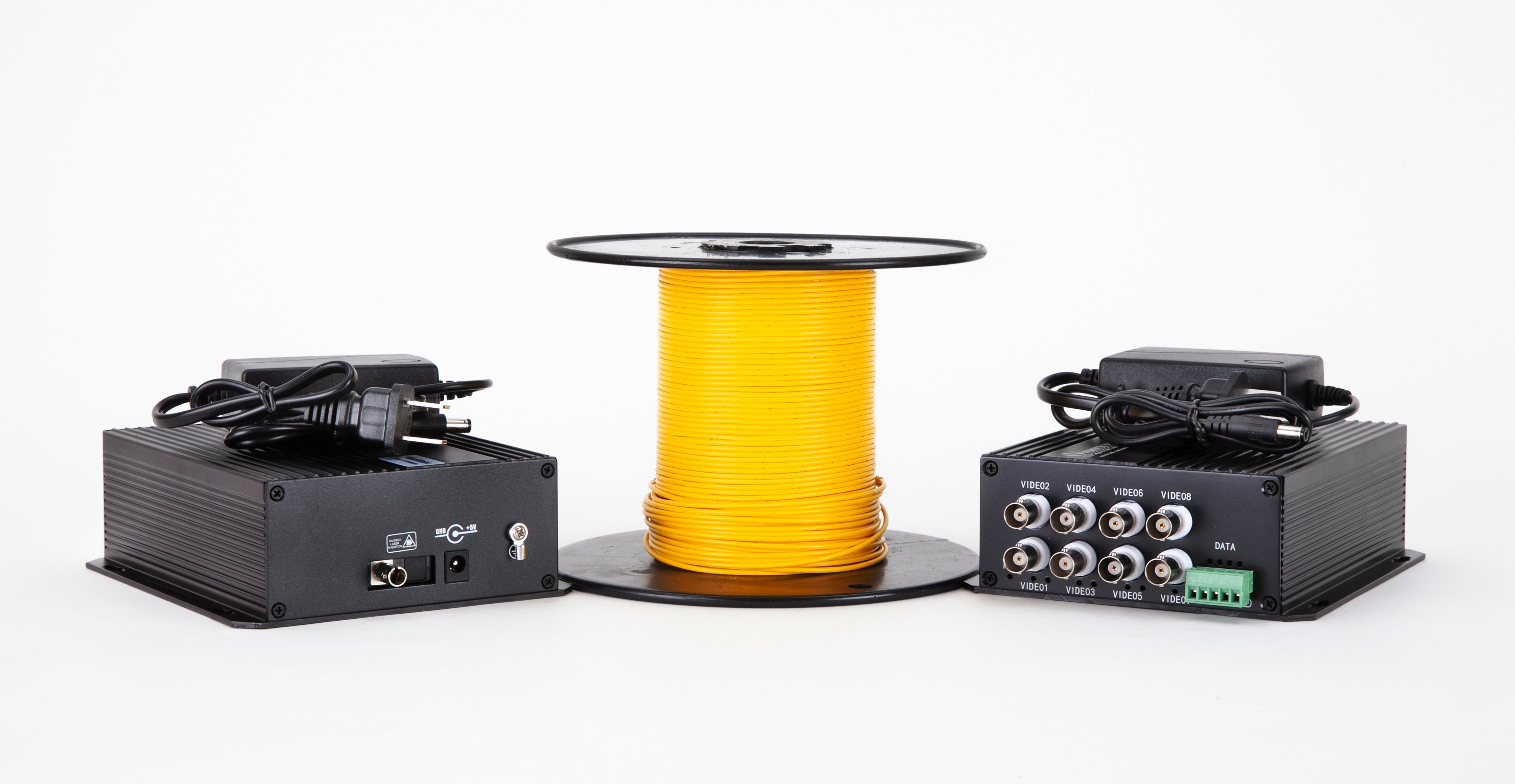
8-Channel Video Installation Kit | Data, ST, SM
View Details -
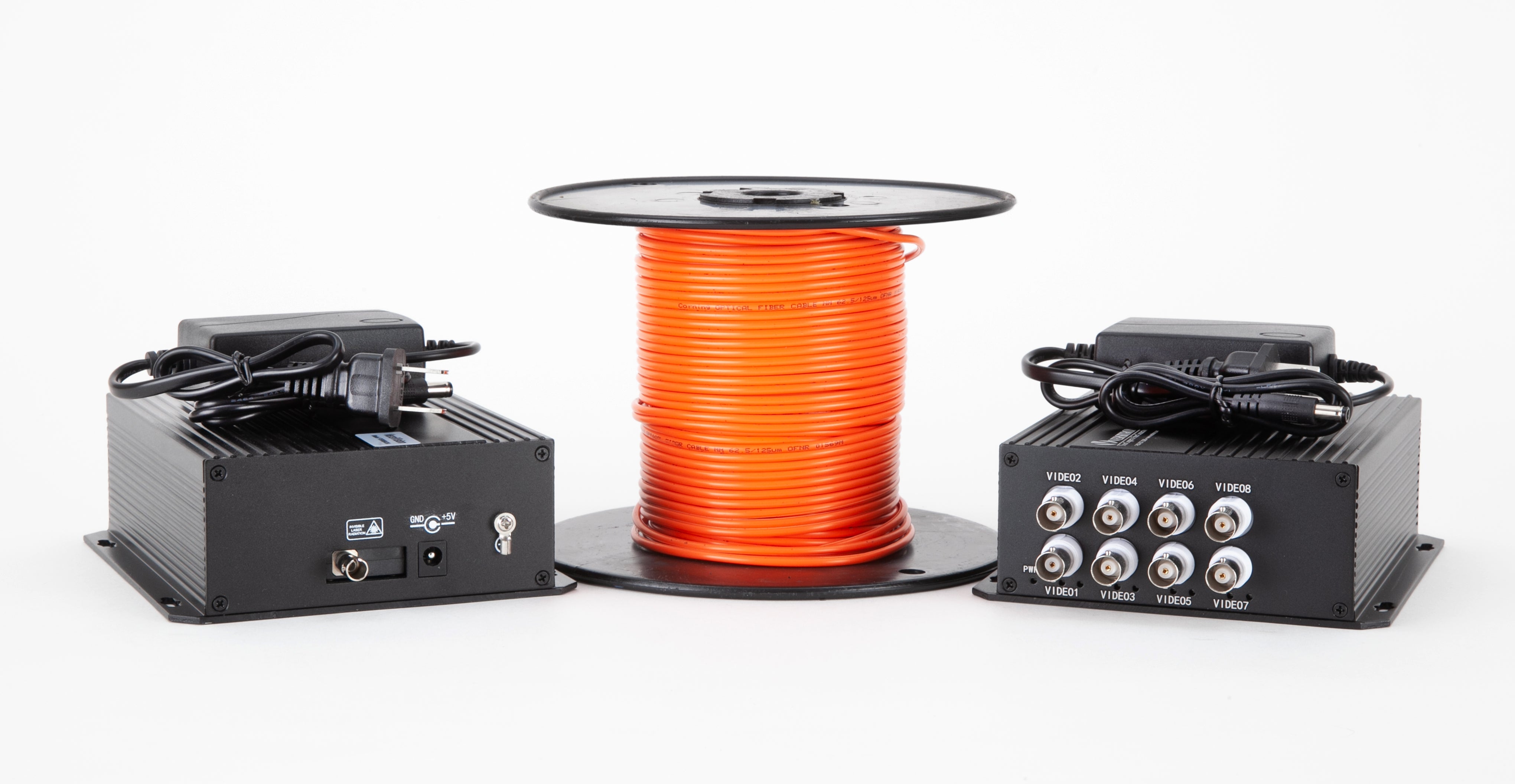
8-Channel Video Installation Kit | MM, ST
View Details -
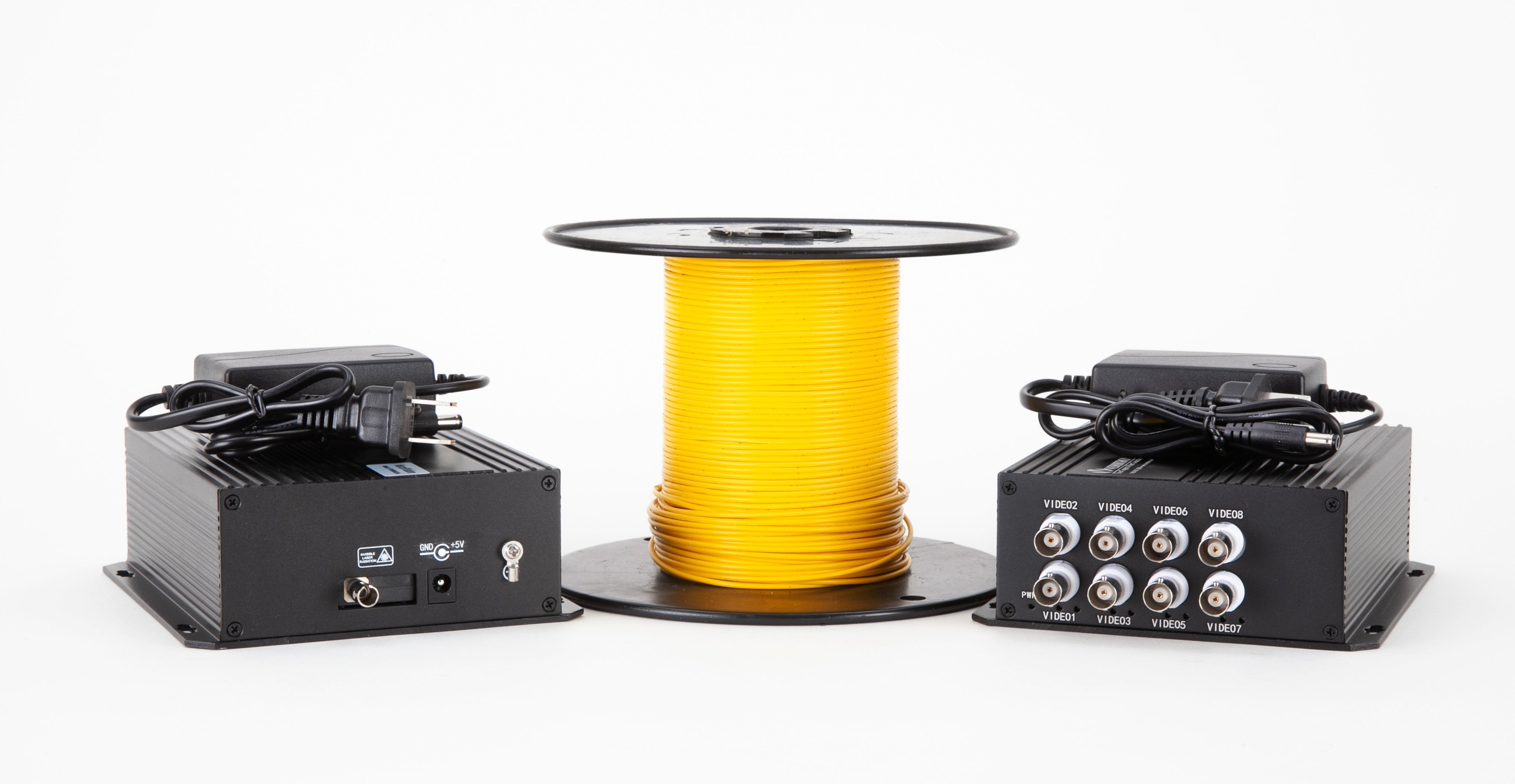
8-Channel Video Installation Kit | ST, SM
View Details -
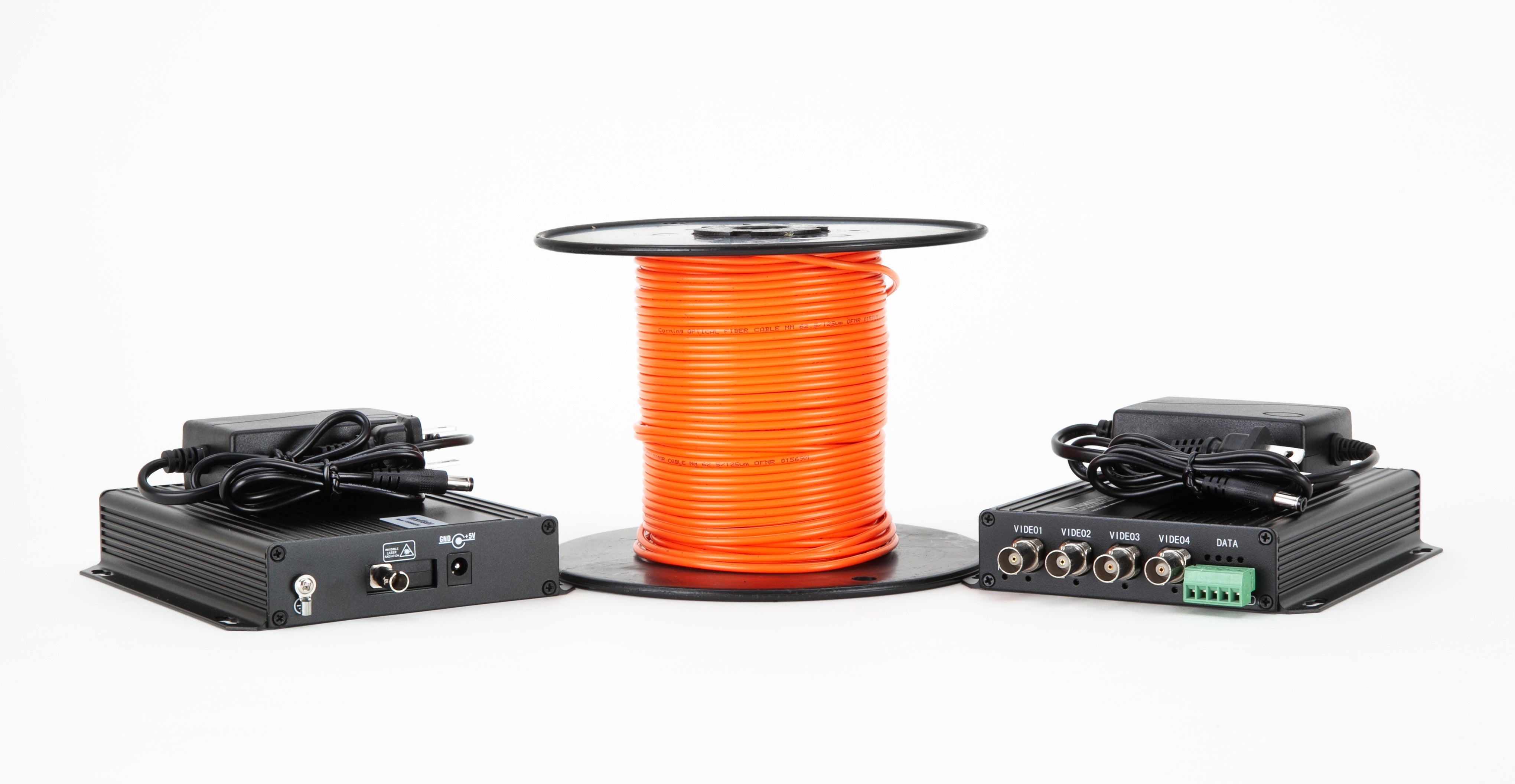
4-Channel Video Installation Kit | Data, ST, MM
View Details -
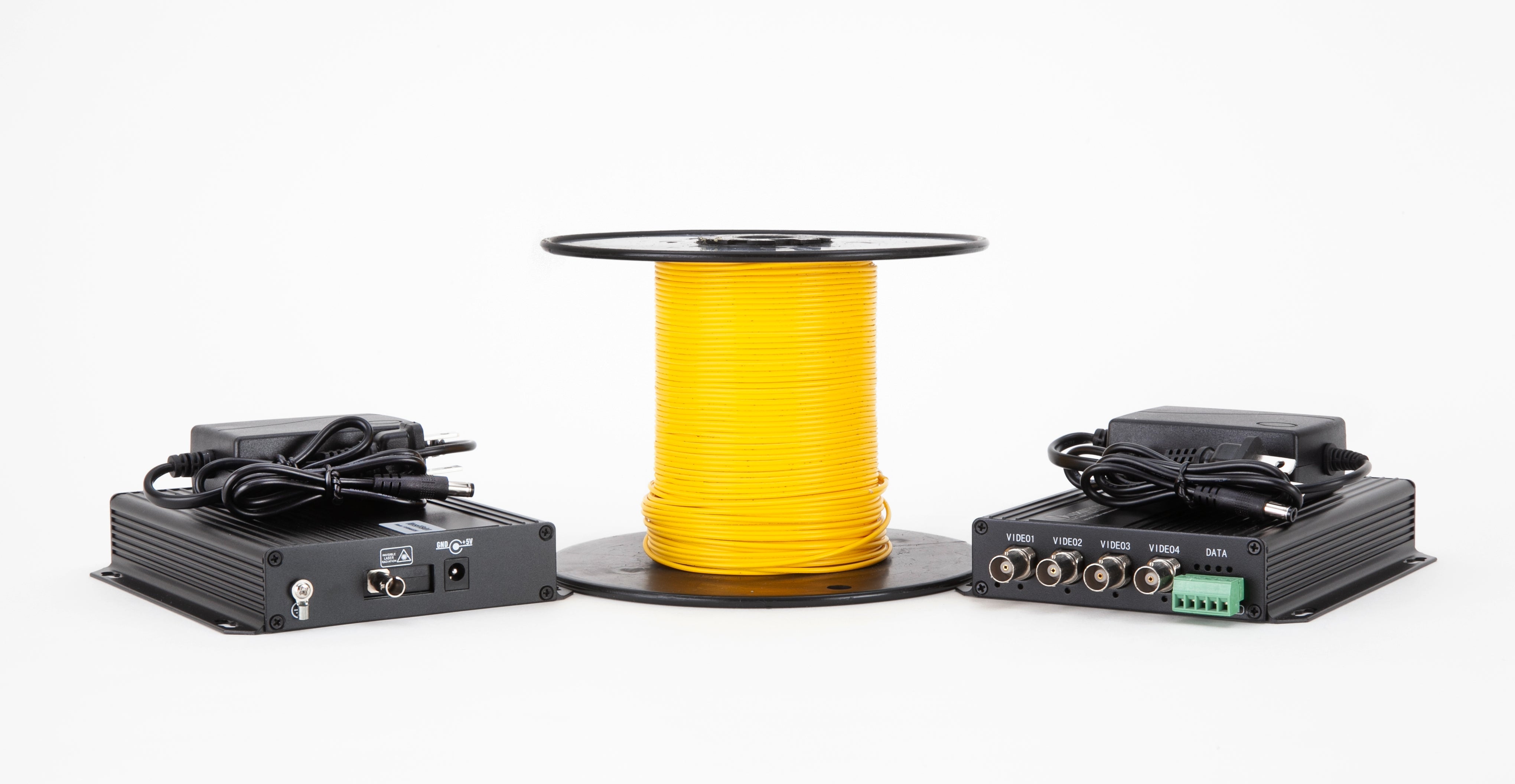
4-Channel Video Installation Kit | Data, ST, SM
View Details


