 1-800-537-2296
 sales@versitron.com



How to Connect Two Network Switches Using 10Gb SFP+ Modules for Military Applications

Modern military and defense networks require reliable, high-speed communications to support command and control systems, surveillance operations, intelligence gathering, cybersecurity, and mission-critical data exchange. These applications often involve large volumes of information that must move quickly between servers, network switches, storage systems, and monitoring equipment.
One common way to establish high-speed connectivity between network switches is through 10 Gigabit Ethernet (10GbE) SFP+ transceivers. These compact optical or copper modules provide flexible connectivity options for linking network switches over different transmission distances and network environments.
For military applications, 10Gb SFP+ modules can support network infrastructure in command and control centers, tactical operations centers, military data centers, surveillance facilities, and other defense-related environments.
Understanding how these modules work, selecting compatible equipment, and following the correct installation procedures are important steps in establishing a reliable 10Gb network connection.
What Is a 10Gb SFP+ Module?
A 10Gb SFP+ module is a compact, hot-swappable transceiver designed to provide 10 Gigabit Ethernet connectivity between network devices such as switches, routers, and servers.
SFP+ stands for Small Form-factor Pluggable Plus. It is an enhanced version of the original SFP interface, designed to support higher data rates, including 10Gb Ethernet.
These modules are inserted into compatible SFP+ ports on network switches and other networking equipment. Depending on the transceiver type, the connection can use fiber optic cable or copper cabling.
Common 10Gb SFP+ transceiver types include:
- 10GBASE-SR: A short-range optical transceiver designed for multimode fiber connections.
- 10GBASE-LR: A long-range optical transceiver designed for singlemode fiber connections.
- Extended-reach singlemode transceivers: Designed for longer-distance fiber optic connections, with supported distances depending on the specific module.
- 10GBASE-T: A copper-based transceiver designed to provide 10Gb Ethernet connectivity over compatible twisted-pair cabling.
The appropriate module depends on the switch specifications, transmission distance, fiber type, and installation requirements.
Check Our 10GB SFP Modules


Why Use 10Gb SFP+ Modules in Military Networking?
Military networking environments often require high-bandwidth connections to support communications between multiple systems and facilities.
A 10Gb SFP+ connection provides a 10 Gigabit Ethernet link between compatible network devices, making it useful for applications involving large data transfers, high-resolution video, centralized monitoring, and network infrastructure expansion.
Several characteristics make these modules useful in defense-related networking environments.
High-Speed Data Transmission
Military networks may handle large amounts of information generated by surveillance cameras, intelligence systems, sensors, command platforms, and data processing equipment.
A 10Gb Ethernet connection provides significantly more bandwidth than conventional Gigabit Ethernet, allowing compatible network devices to exchange data at higher speeds.
Flexible Transmission Distances
Different 10Gb SFP+ transceivers support different transmission distances.
Shorter connections may use multimode fiber, while longer connections generally use singlemode fiber.
Depending on the transceiver, fiber specifications, and optical link budget, 10Gb connections can extend from a few hundred meters to several kilometers or farther.
Fiber Optic Immunity to Electromagnetic Interference
Fiber optic connections transmit information using light rather than electrical signals.
This makes optical fiber immune to electromagnetic interference (EMI), which can be beneficial in environments containing electrical equipment, generators, communications systems, and other potential sources of interference.
Fiber also provides electrical isolation between connected network devices.
Flexible Network Expansion
SFP+ ports allow compatible switches to connect to different optical transceivers based on network requirements.
This flexibility makes it possible to establish connections between equipment rooms, buildings, data centers, and remote network locations without requiring the same fiber type or transmission distance for every installation.
Understanding the Different Types of 10Gb SFP+ Modules
Selecting the correct transceiver is essential when connecting two network switches. The module must match the switch interface, cable type, transmission distance, and optical specifications.
10GBASE-SR – Multimode Fiber
10GBASE-SR is a short-range optical transceiver designed for multimode fiber.
It typically operates at an 850nm wavelength and is commonly used for connections within data centers, equipment rooms, and buildings.
Depending on the multimode fiber grade, 10GBASE-SR can support transmission distances of up to approximately 300 meters.
Common applications include:
- Connections between switches in the same equipment room.
- Data center switch interconnections.
- Short-distance connections between network racks.
- High-speed links within military facilities.
10GBASE-LR – Singlemode Fiber
10GBASE-LR is designed for longer-distance connections using singlemode fiber.
It typically operates at a 1310nm wavelength and supports transmission distances of up to 10 kilometers under specified conditions.
Common applications include:
- Connections between separate buildings.
- Campus network infrastructure.
- Long-distance military facility connections.
- Fiber links between centralized network equipment and remote locations.
Extended-Reach Singlemode Transceivers
For installations requiring longer transmission distances, extended-reach singlemode SFP+ modules are available.
Depending on the module, these transceivers may support distances of 40 kilometers or 80 kilometers.
They are useful for connecting geographically separated network locations, remote facilities, and other infrastructure requiring extended fiber optic connectivity.
The optical specifications, including wavelength, transmit power, receiver sensitivity, and fiber characteristics, must be compatible with the intended link.
10GBASE-T – Copper Transceivers
10GBASE-T modules provide 10Gb Ethernet connectivity over compatible twisted-pair copper cabling.
These transceivers can be useful when connecting switches through existing copper network infrastructure.
Depending on the module and cable category, supported distances may vary. Standard 10GBASE-T installations can support up to 100 meters over appropriate Category 6A cabling.
For longer-distance military or industrial connections, fiber optic transceivers may be a more appropriate option.
Step-by-Step: How to Connect Two Network Switches Using 10Gb SFP+ Modules
Connecting two network switches through 10Gb SFP+ transceivers is a relatively straightforward process when the equipment and cabling are compatible.
Follow these steps to establish the connection.
Step 1: Verify Switch Compatibility
First, confirm that both network switches have available SFP+ ports that support 10Gb Ethernet.
Not all SFP ports support 10Gb speeds. Standard 1Gb SFP ports and 10Gb SFP+ ports are designed for different data rates, so the switch specifications must be reviewed before selecting transceivers.
For military applications, also consider the operating environment, equipment specifications, temperature requirements, and any applicable procurement or compliance requirements.
Step 2: Select Compatible 10Gb SFP+ Modules
Choose the appropriate transceivers based on the required transmission distance and fiber infrastructure.
For example:
- Use 10GBASE-SR modules for short-distance multimode fiber connections.
- Use 10GBASE-LR modules for singlemode connections up to approximately 10 kilometers.
- Use extended-reach singlemode modules for longer connections, such as 40km or 80km links.
- Use compatible 10GBASE-T modules when copper connectivity is required.
Both switches must support the selected transceivers. Verify vendor compatibility and any module coding or firmware restrictions before installation.
Step 3: Select the Appropriate Fiber or Copper Cable
Once the transceivers have been selected, choose the correct cable for the connection.
For optical connections:
- 10GBASE-SR typically uses multimode fiber with LC connectors.
- 10GBASE-LR typically uses singlemode fiber with LC connectors.
- Extended-reach modules use compatible singlemode fiber and the connector type specified by the manufacturer.
For copper connections, use the cable category and maximum length supported by the selected 10GBASE-T transceivers.
For duplex fiber connections, verify that the transmit and receive paths are correctly aligned. An incorrect fiber connection or reversed polarity can prevent the link from becoming active.
Step 4: Install the SFP+ Modules
Insert one compatible transceiver into the available SFP+ port on each switch.
Align the module with the port and carefully slide it into position until it is securely seated.
Follow the transceiver manufacturer's installation instructions. Avoid touching optical connector surfaces, and keep dust caps installed until the fiber connections are ready to be made.
Step 5: Connect the Fiber Optic or Copper Cable
Connect the appropriate cable between the two transceivers.
For fiber optic connections, make sure the LC connectors are clean and properly seated.
For duplex optical links, connect the transmitting side of one transceiver to the receiving side of the other, and vice versa.
For copper connections, ensure that the cable is properly terminated and compatible with the transceiver specifications.
Step 6: Verify the Network Connection
After completing the physical installation, check the status of both switches.
Most managed switches provide link indicators through front-panel LEDs and their network management interfaces.
Verify the following:
- Both switches recognize the installed transceivers.
- The SFP+ ports report an active connection.
- The link negotiates or is configured for the intended 10Gb speed.
- There are no optical signal or transceiver compatibility errors.
- Network traffic passes successfully between the connected switches.
If the link does not become active, check cable connections, fiber polarity, connector cleanliness, transceiver compatibility, and port configuration.
For managed switches, the network management interface may also provide diagnostic information that helps identify the problem.
Military Applications for 10Gb SFP+ Connectivity
High-speed network connectivity supports many different military and defense-related operations. Connecting switches through 10Gb SFP+ modules provides a way to establish high-bandwidth links between network equipment and infrastructure.
Command and Control Centers
Command and control centers rely on communications between servers, workstations, monitoring systems, and other network equipment.
10Gb switch interconnections can provide the bandwidth needed to exchange large volumes of operational data between network segments.
Tactical Operations Centers
Tactical operations centers often require flexible network infrastructure to connect communications equipment, servers, workstations, and monitoring systems.
10Gb SFP+ connections can provide high-speed links between compatible switches within these facilities.
Surveillance and Reconnaissance
Surveillance and reconnaissance systems generate substantial amounts of video and sensor data.
High-bandwidth network connections help transport this information between video processing systems, storage equipment, and monitoring facilities.
10Gb Ethernet links can support the network infrastructure required for these applications.
Cybersecurity and Network Defense
Cybersecurity infrastructure may include firewalls, intrusion detection systems, monitoring appliances, and data analysis platforms.
10Gb switch connections can provide additional bandwidth between these systems, particularly in networks handling large amounts of traffic.
Shipboard and Airborne Networks
Military vessels and aircraft may incorporate specialized networking equipment supporting communications, monitoring, and mission systems.
Where compatible equipment and installation conditions permit, fiber optic transceivers can provide high-speed connections between network switches.
Field-Deployable Networks
Mobile and field-deployable network systems require equipment that can support changing operational environments.
10Gb SFP+ modules can provide high-speed connectivity between compatible switches, servers, and other networking equipment within portable network installations.
The transceivers and associated equipment should be selected according to the environmental and operational requirements of the deployment.
Military Data Centers
Military data centers and centralized computing facilities require high-bandwidth connections between network switches, storage systems, and server infrastructure.
10Gb SFP+ modules provide a practical way to establish switch-to-switch connections and support data center network expansion.
C4ISR Infrastructure
C4ISR stands for Command, Control, Communications, Computers, Intelligence, Surveillance, and Reconnaissance.
These systems rely on network infrastructure to exchange information between different communications, computing, and monitoring platforms.
10Gb Ethernet connectivity can support the high-bandwidth requirements of compatible C4ISR network infrastructure.
How to Choose the Right 10Gb SFP+ Module
Selecting the right transceiver involves more than simply choosing a module rated for 10Gb Ethernet. Several technical factors should be considered before purchasing.
-
Switch Compatibility
Verify that both network switches support the selected SFP+ transceiver. Some manufacturers impose restrictions on supported optical modules.
-
Transmission Distance
Determine the physical distance between the two switches. Select a transceiver with sufficient transmission capability for the required link.
-
Fiber Type
Choose multimode or singlemode fiber based on the transceiver specifications and existing fiber infrastructure.
-
Operating Wavelength
Verify that the optical wavelength of the transceiver is compatible with the intended fiber connection and the transceiver at the opposite end.
-
Connector Type
Check the connector requirements of the transceiver. Many 10Gb optical SFP+ modules use LC connectors.
-
Environmental Requirements
For military and industrial installations, consider operating temperature specifications, equipment enclosure requirements, vibration exposure, and other environmental conditions.
-
Compliance and Procurement Requirements
Government and defense-related projects may have specific requirements involving product origin, certifications, and procurement eligibility. Verify applicable requirements for the specific transceiver and project.
Frequently Asked Questions About 10Gb SFP+ Modules
What is the difference between SFP and SFP+ modules?
SFP modules are commonly used for Gigabit Ethernet connections, while SFP+ modules support higher data rates, including 10 Gigabit Ethernet. The switch must have a compatible interface to support the intended connection speed.
Can two network switches be connected directly using 10Gb SFP+ modules?
Yes. Two compatible switches can be connected directly using matching 10Gb SFP+ transceivers and an appropriate fiber optic or copper cable. The switches must support the selected modules and connection specifications.
What is the maximum distance supported by a 10Gb SFP+ module?
Transmission distance depends on the transceiver type and cable specifications. Common configurations include approximately 300 meters for 10GBASE-SR over compatible multimode fiber, up to 10 kilometers for 10GBASE-LR over singlemode fiber, and extended-reach modules supporting 40 or 80 kilometers.
Do both switches need identical SFP+ modules?
For conventional duplex optical connections, both modules should have compatible optical specifications, including wavelength, fiber type, and transmission characteristics. The modules should also be supported by their respective switches. Special BiDi configurations use different complementary transceivers at each end.
Can 10Gb SFP+ modules be used for military networking?
Yes. 10Gb SFP+ transceivers can be used in military-related network infrastructure to establish high-speed connections between compatible switches, servers, and other network equipment. The specific transceiver and supporting equipment must meet the project's technical, environmental, and procurement requirements.
Why use fiber optic SFP+ modules instead of copper?
Fiber optic SFP+ modules support longer transmission distances and provide immunity to electromagnetic interference and electrical isolation. Copper transceivers may be suitable for shorter connections where compatible copper infrastructure is already available.
What type of fiber cable is used with 10Gb SFP+ modules?
10GBASE-SR generally uses multimode fiber, while 10GBASE-LR and extended-reach optical modules generally use singlemode fiber. Many optical SFP+ modules use LC connectors, but the exact requirements depend on the transceiver.
High-Speed Fiber Optic Networking Solutions from VERSITRON
Establishing reliable connections between network switches is an important part of building modern military, industrial, and enterprise networking infrastructure.
10Gb SFP+ transceivers provide a flexible solution for connecting compatible network switches over multimode and singlemode fiber optic cabling, supporting transmission distances ranging from short equipment-room connections to extended links spanning many kilometers.
VERSITRON offers 10Gb SFP+ transceiver options supporting 10km, 40km, and 80km singlemode connections, as well as multimode fiber configurations.
Whether expanding a data center, connecting network equipment across a campus, or building high-speed communications infrastructure for defense-related applications, VERSITRON provides fiber optic connectivity solutions designed to meet a variety of networking requirements.
Explore Our Products
-
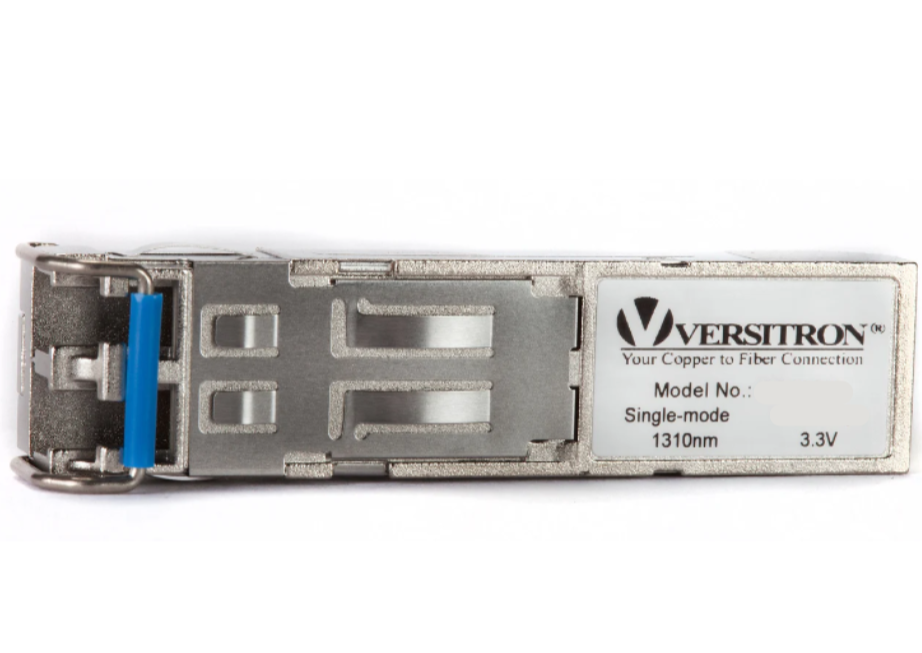
10GB Ethernet SFP Module | 1310nm, LC, SM, 10km
View Details -
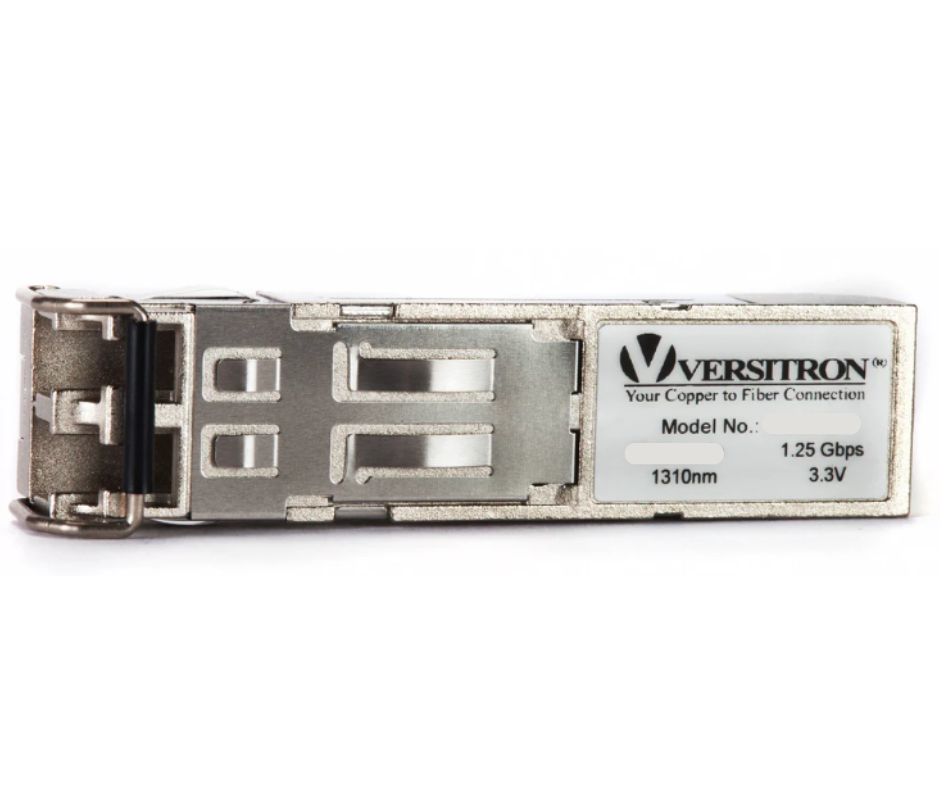
10GB SFP Module | 850nm, LC, MM
View Details -
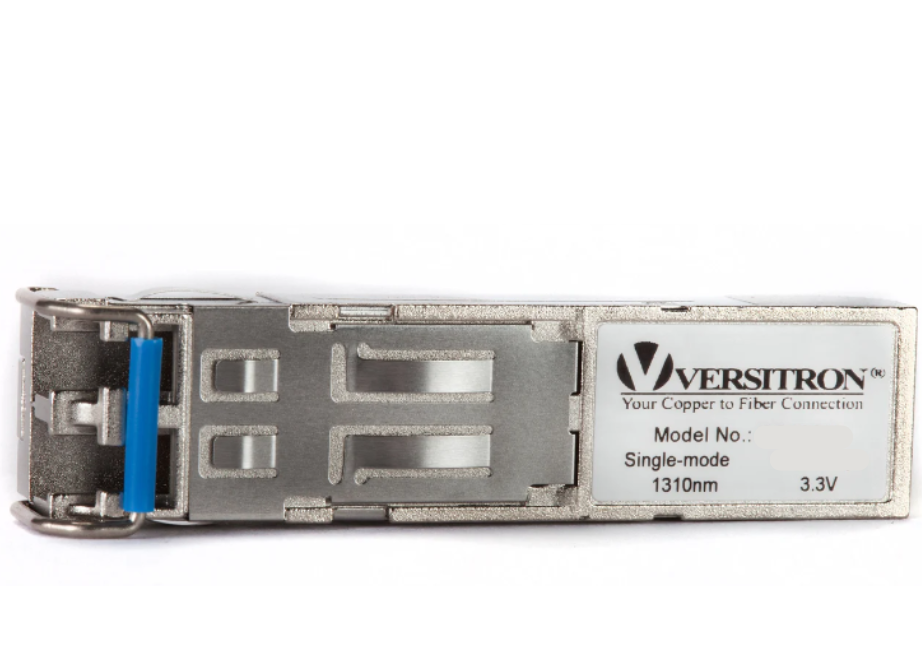
10GB40SM SFP Module | 10GBase, 1550nm, LC, SM, 40km
View Details -
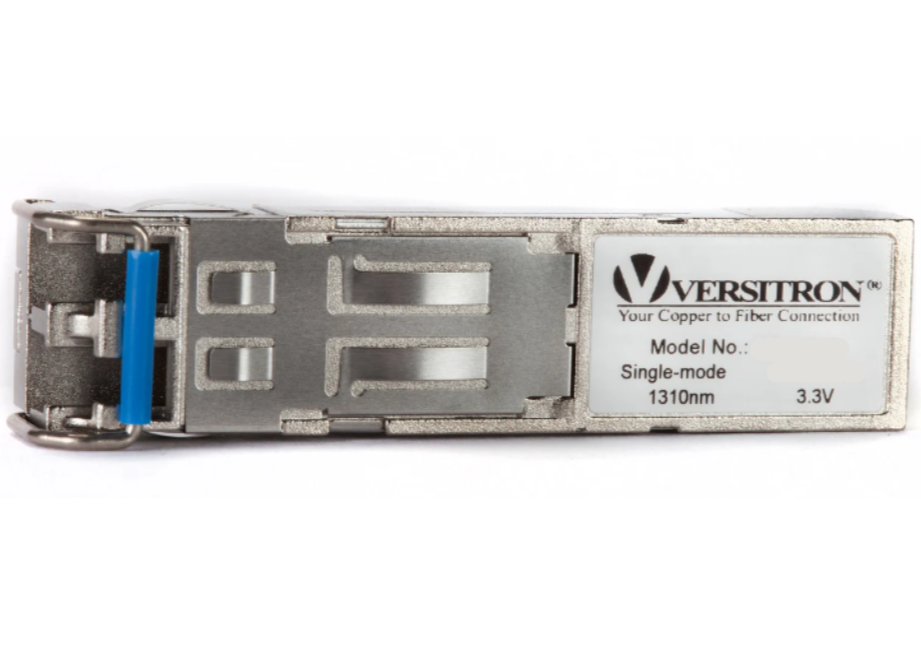
10GB80SM SFP Module | 10GBase, 1550nm, LC, SMF, 80km
View Details


